
Daily Cleaning Routine
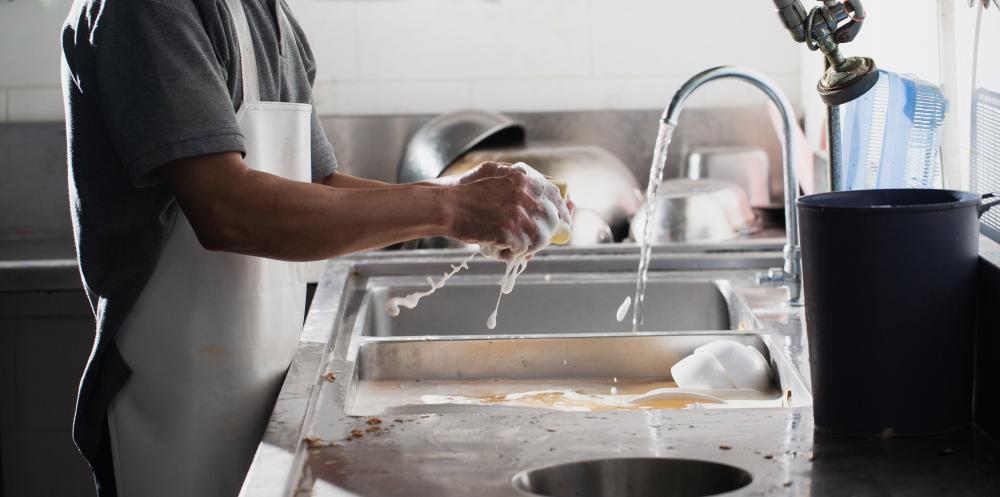
Maintaining commercial dishwashers in restaurants starts with a daily cleaning routine. It's essential to ensure your dishwasher operates efficiently day after day. A little effort in daily maintenance prevents bigger issues later. First, always scrape food debris off dishes before placing them in the dishwasher.
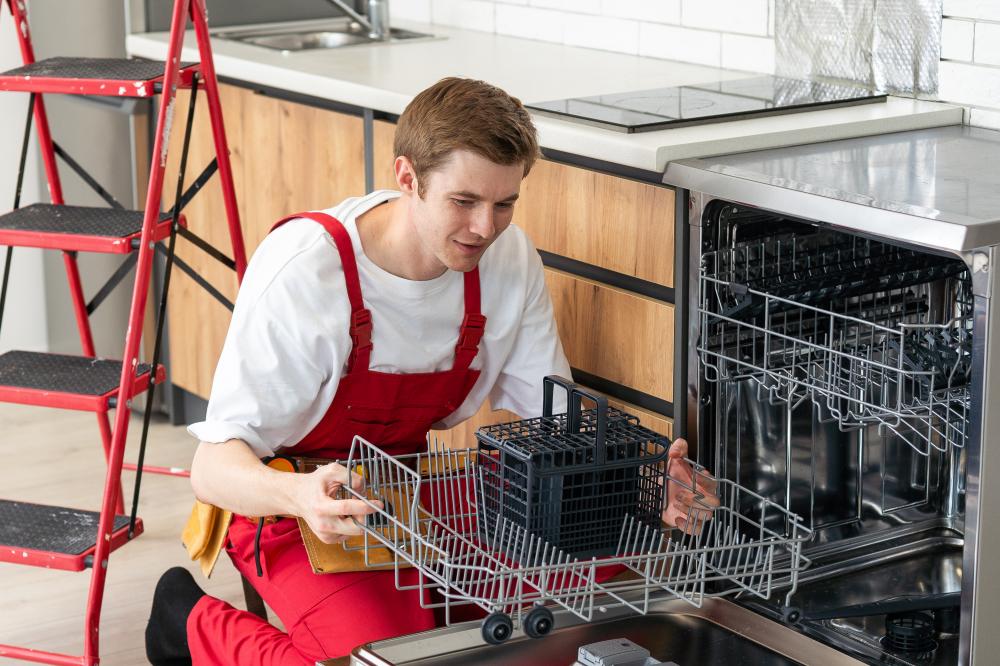
This small action significantly reduces clogs and machine strain. It is also crucial to clean the dishwasher's filter regularly. Typically, the filter should be checked and cleaned every 20 cycles. A soft brush under running water works wonders in removing stubborn particles.
Additionally, locate and clean the spray nozzles. Using a cleaning solution like white vinegar can help prevent hard water buildup. Making these steps a habit will keep your dishwasher running smoothly and extend its life.
Importance of Descaling
Descaling is another key aspect of how to maintain commercial dishwashers in restaurants. With hard water prevalent in many areas, limescale buildup is a common issue. This not only affects cleaning efficiency but also the longevity of your dishwasher. Regular descaling ensures that mineral deposits do not impair the machine's function.
Descaling should be scheduled routinely. Look out for signs of limescale such as a white film on the dishes. When conducting descaling, remember to wear protective gear due to harsh chemicals. Running a descaling product through the machine ensures it stays in peak condition.
After descaling, it's essential to flush the system with fresh water. This step removes any remaining cleaning agents and leaves your machine ready for the next use. A regular descaling routine keeps your dishwasher in top shape.
Following Manufacturer Guidelines
Each dishwasher model comes with its specific guidelines. Adhering to the manufacturer's manual is crucial in understanding how to maintain commercial dishwashers in restaurants. Misusing or neglecting these guidelines can lead to costly repairs or replacements. Always use the recommended detergents for optimal results.
Never substitute or skip the recommended cleaning agents. This could lead to damage or reduced cleaning efficiency. Manuals also provide troubleshooting tips that can save time and expenses. If ever misplaced, most manuals are available online.
In cases where a problem persists, contacting a professional inspector is advisable. An annual inspection by a qualified technician can spot potential issues early. This preventative care helps avoid unplanned breakdowns and interruptions in service.
Training Restaurant Staff
Proper dishwasher maintenance is not solely the responsibility of the appliance. Staff plays a vital role too. Training them on how to handle and maintain commercial dishwashers in restaurants is beneficial. Begin with showing them the correct method to scrape and rinse dishes before loading them.
Teach them to perform basic cleaning tasks, such as clearing filters and wiping down the interior. This not only maintains the machine but also instills a sense of responsibility. Staff should understand the importance of using the right detergents and following routine maintenance schedules.
A well-trained team ensures your dishwasher runs efficiently, supporting a seamless kitchen operation. Their awareness of potential issues can also lead to early detection and swift action.
Professional Inspection and Support
No matter how diligent the daily care, professional support is sometimes necessary. Knowing how to maintain commercial dishwashers in restaurants includes recognizing when expert help is needed. Regular inspections by qualified technicians can catch wear and tear early.
When choosing a service provider, consider their expertise with various dishwasher models. At West Hollywood Appliance Repair, our team is well-versed in ensuring your appliances perform at their best. Partnering with professionals provides peace of mind and minimizes downtime.
For businesses in West Hollywood, look no further than our services to keep your dishwashers in prime condition. Our commitment is to provide swift and efficient repair services tailored to your needs.
Scraping Food Debris: The Unsung Hero of Dishwasher Longevity
In the bustling world of restaurants, dishwashers often take the brunt of heavy-duty cleaning. From my experience at West Hollywood Appliance Repair, scraping food debris before loading dishes is a crucial step in maintaining dishwasher efficiency. It prevents clogs in the filter and nozzles, ensuring your machine runs smoothly.
Moreover, excess food particles can build up over time, leading to unpleasant odors and increased wear on components. Encouraging staff to rinse off food remnants ensures a longer lifespan for the appliance. It saves time and energy in the long run, reducing the need for frequent repairs.
Following the Manufacturer's Manual
Every commercial dishwasher comes with a manual, yet it's often overlooked in a busy kitchen setting. However, adhering to the manufacturer's instructions is essential. These guidelines provide insights into optimal chemical usage and maintenance practices that fit your specific machine model.
In my professional dealings, I've seen that using improper detergents or neglecting recommended maintenance schedules can lead to costly breakdowns. The manual isn't just paperwork; it's a preventive maintenance guide. Regularly reviewing these instructions can prevent avoidable errors. It can reduce downtime and extend your dishwasher's operational life.
The Importance of Checking Chemical Levels
Another crucial aspect of restaurant dishwasher maintenance tips is monitoring chemical levels. Your rinse aid, detergent, and sanitizer play pivotal roles in achieving sparkling clean dishes. Incorrect concentrations can lead to visible stains or incomplete cleaning, affecting customer satisfaction.
Checking these levels daily becomes a simple yet effective routine. It ensures your appliance functions at its best, maintaining the hygiene standards your patrons expect. Automation of these checks, if possible, can further streamline the process, enhancing efficiency in a bustling kitchen environment.
Inspecting Dish Racks: A Step Often Forgotten
Amidst the chaos of restaurant operations, inspecting dish racks may seem minor but is vital. Chipping or damage can cause significant issues, including blockages and even pump damage. Regular inspections allow you to catch wear and tear early, preventing larger problems down the line.
Consider coating damaged areas with food-grade paint or replacing racks as needed. The upfront cost can seem daunting, but in my professional opinion, it's a wise investment. It avoids more significant expenses associated with dishwasher malfunctions due to neglected rack damage.
Establishing Regular Cleaning Procedures
Day-to-day cleaning might seem routine, but it's the backbone of maintaining optimal dishwasher performance. At West Hollywood Appliance Repair, we've witnessed the positive impact of a solid cleaning regimen, particularly in preventing bacterial growth.
Regularly cleaning the interior, inspecting wash arms, and ensuring nozzles remain unobstructed maintains machine efficiency. A thorough cleaning schedule supports uninterrupted service. It assures your dishwasher remains a reliable asset in daily operations, minimizing potential disruptions due to unanticipated issues.
Cleaning the dishwasher isn't a chore—it’s an integral part of sustaining a thriving, efficient restaurant operation. These restaurant dishwasher maintenance tips, if integrated into your daily routine, can save time, energy, and resources.
Engaging Professional Technician Services
While routine maintenance can be handled in-house, don't underestimate the value of professional services. Engaging technicians for a yearly check-up is prudent. Their expertise allows them to identify hidden issues, conduct thorough inspections, and perform necessary part replacements.
In my years with West Hollywood Appliance Repair, I've observed the long-term benefits of professional oversight. A qualified technician can descale your machine, ensure proper chemical dispenser functioning, and maintain the tightness of seals. It's an investment in peace of mind and operational reliability.
Even with a robust in-house maintenance plan, a technician’s touch can elevate your appliance's longevity and service quality. Incorporating these restaurant dishwasher maintenance tips ensures your equipment remains a steadfast ally in your kitchen's success.
Importance of Regular Maintenance
At West Hollywood Appliance Repair, we firmly believe that consistent commercial kitchen equipment care can prevent costly repairs and ensure efficient operations. Whether it's a bustling restaurant or a serene café, appliances form the backbone of any kitchen. Regular upkeep not only extends the lifespan of your equipment but also enhances performance. Our team stresses the importance of establishing a routine maintenance schedule to catch minor issues before they lead to significant problems.
In our experience, regularly maintained equipment operates smoothly, reducing energy consumption and minimizing downtime. This attention to detail saves money and prevents unexpected breakdowns that could disrupt your kitchen's rhythm. By implementing a proactive approach, you safeguard your investment and maintain a reliable kitchen environment.
Key Areas of Focus
From ovens to dishwashers, each piece of equipment in a commercial kitchen requires unique care. Our technicians at West Hollywood Appliance Repair have noted that cooking equipment such as ovens and stoves need regular cleaning and inspection to prevent grease buildup and ensure accurate temperature control. Similarly, refrigeration units must be checked for door seal integrity and optimal temperature settings to avert spoilage.
We recommend paying close attention to dishwashing machines for any leaks and ensuring that drainage systems are functioning well. This vigilance avoids water-related issues that could escalate over time. Ice machines, often overlooked, require proper cleaning to eliminate bacterial growth and ensure hygiene.
Best Practices for Equipment Care
Our approach to commercial kitchen equipment care involves a blend of preventive and corrective maintenance strategies. Conducting routine inspections allows us to identify potential problems early. Creating customized checklists tailored to each equipment type aids in systematic reviews and maintenance tasks.
To maximize efficiency, we advocate for the use of manufacturer-recommended cleaning tools and products. This ensures that warranties are respected while preserving the equipment's condition. Additionally, we emphasize the value of training staff to operate appliances correctly and recognize early signs of malfunction.
Documenting maintenance activities is also crucial. Detailed logs help us track the performance and repair history of each appliance, enabling better planning for future maintenance needs.
Creating a Maintenance Schedule
Developing a maintenance schedule is a cornerstone of effective commercial kitchen equipment care. By establishing a routine that outlines specific tasks and their frequency, we ensure that no aspect of maintenance is overlooked.
Our expert technicians offer guidance tailored to each client's specific needs, taking into account factors like equipment type and usage intensity. We stress the importance of budgeting for routine maintenance and potential repairs to avoid financial surprises.
Understanding equipment warranties is another vital aspect we cover. This knowledge helps in planning maintenance activities that align with warranty requirements, ensuring long-term protection for your appliances.
Finally, we encourage restaurant owners to periodically review and adjust their maintenance schedules. This adaptability ensures that your strategy remains relevant and effective as your business evolves.
Benefits of Professional Help
Engaging professionals like those at West Hollywood Appliance Repair offers numerous advantages in commercial kitchen equipment care. Our skilled technicians bring years of experience and expertise to every job, ensuring thorough inspections and precise repairs.
With our comprehensive service offerings, from fridge repairs to oven maintenance, we help you maintain a seamless kitchen operation. We are passionate about delivering swift, reliable, and high-quality service that aligns with your business needs.
Choosing professional assistance also provides peace of mind. Knowing that your equipment is in capable hands allows you to focus on what truly matters—delivering delicious meals to your customers without interruption.
How to maintain a commercial dishwasher?
Maintaining a commercial dishwasher is crucial for ensuring its longevity and efficiency. At West Hollywood Appliance Repair, we recommend implementing a daily cleaning routine that includes scraping food debris from dishes before loading them into the dishwasher. This simple step prevents clogs and reduces strain on the machine. Moreover, it's important to check and clean the dishwasher's filter every 20 cycles using a soft brush and running water to remove any particles.
In addition to daily tasks, regular descaling is key, especially if you're dealing with hard water. Limescale buildup can impair the function of your machine. We suggest running a descaling product through the machine as needed and flushing the system with fresh water afterward. Also, familiarize yourself with the manufacturer's guidelines for your specific model to prevent misuse and potential damage. These steps collectively ensure that your dishwasher runs efficiently and extends its operational life. How does your current maintenance routine compare to these recommendations?
How often should you delime a commercial dishwasher?
Deliming frequency can depend on your local water hardness and usage patterns, but generally, it's a good practice to delime your commercial dishwasher every one to two months. At West Hollywood Appliance Repair, we often see issues with machines due to limescale buildup, which can lead to decreased cleaning efficiency and even damage if left unchecked.
Signs that your dishwasher needs deliming include a white film on your dishes or visible buildup within the machine. When performing deliming, remember to use appropriate protective gear because the chemicals used can be harsh. This proactive approach not only keeps your dishwasher in top condition but also prevents costly repairs down the line. Have you noticed any limescale buildup in your dishwasher, or do you have a routine for handling it?
How often should you change the water in a commercial dishwasher?
Changing the water in your commercial dishwasher is an essential step to ensure efficient operation and hygiene standards. At West Hollywood Appliance Repair, we advise changing the water every four to six cycles. Keeping fresh water circulating prevents any chance of contamination and maintains optimal cleaning performance.
Also, if your restaurant experiences high-volume dishwashing or if the water appears cloudy or has an odor, it's essential to change it more frequently. Regularly checking and adjusting the rinse aid, detergent, and sanitizer levels as part of this process further enhances cleaning outcomes. How often do you monitor and adjust the water quality in your dishwasher?
What should be done with a commercial dishwasher at the end of each work day?
At the end of each workday, it's important to ensure your commercial dishwasher is ready for the next day’s use. Begin by turning off the machine and draining the water completely. This prevents any stagnant water from accumulating, which could lead to odors or bacterial growth.
Clean the filters, remove any food debris, and wipe down the dishwasher's interior to maintain cleanliness. Check the spray nozzles to ensure they are not obstructed and inspect the dish racks for any damage. Finally, leave the door slightly ajar to allow air circulation, preventing mold and mildew formation. These steps are pivotal in maintaining the longevity and performance of your dishwasher. What steps do you currently have in place for your end-of-day dishwasher routine?
What are some restaurant dishwasher maintenance tips?
Maintaining a dishwasher in a bustling restaurant environment requires diligence and routine care. At West Hollywood Appliance Repair, we recommend a few tips that are particularly beneficial. First, always ensure dishes are pre-rinsed and free of large food particles before loading them into the dishwasher. This prevents clogs and reduces wear on the appliance.
Regularly check chemical levels, like detergents and rinse aids, to ensure they are appropriately balanced, as this directly impacts cleaning efficacy. Inspect dish racks frequently to avoid blockages or damage that could affect the dishwasher's performance. Lastly, train your staff on these routine maintenance activities, as a well-informed team is pivotal in promoting the longevity and efficiency of your equipment. Have you implemented any special training programs for your staff on dishwasher maintenance?
How can commercial kitchen equipment care benefit a business?
Caring for your commercial kitchen equipment is an investment in the smooth operation and profitability of your business. At West Hollywood Appliance Repair, we've seen firsthand how regular maintenance can extend equipment lifespan, reduce energy consumption, and prevent unexpected breakdowns that disrupt service.
By implementing a routine maintenance schedule and adhering to manufacturer guidelines, you ensure each piece of equipment functions optimally, enhancing your kitchen’s efficiency. Preventative care not only saves money on repairs but also conserves resources and supports sustainability efforts. Are you currently experiencing any recurring issues with your kitchen equipment that might benefit from a more structured maintenance approach?
#### Resources for Commercial Dishwasher Maintenance- National Sanitation Foundation (NSF) – NSF provides standards for food equipment sanitation, ensuring dishwashers meet health and safety requirements for commercial kitchens.
- U.S. Environmental Protection Agency (EPA) – The EPA offers resources on water conservation and best practices for maintaining equipment to reduce environmental impact.
- U.S. Department of Energy – This site provides information on energy-efficient practices for commercial kitchen appliances, including dishwashers.
- FoodSafety.gov – Offers guidance on food safety practices, including maintaining clean appliances to prevent contamination in restaurant settings.
- Occupational Safety and Health Administration (OSHA) – OSHA provides workplace safety standards, including guidelines for using and maintaining commercial kitchen equipment safely.